
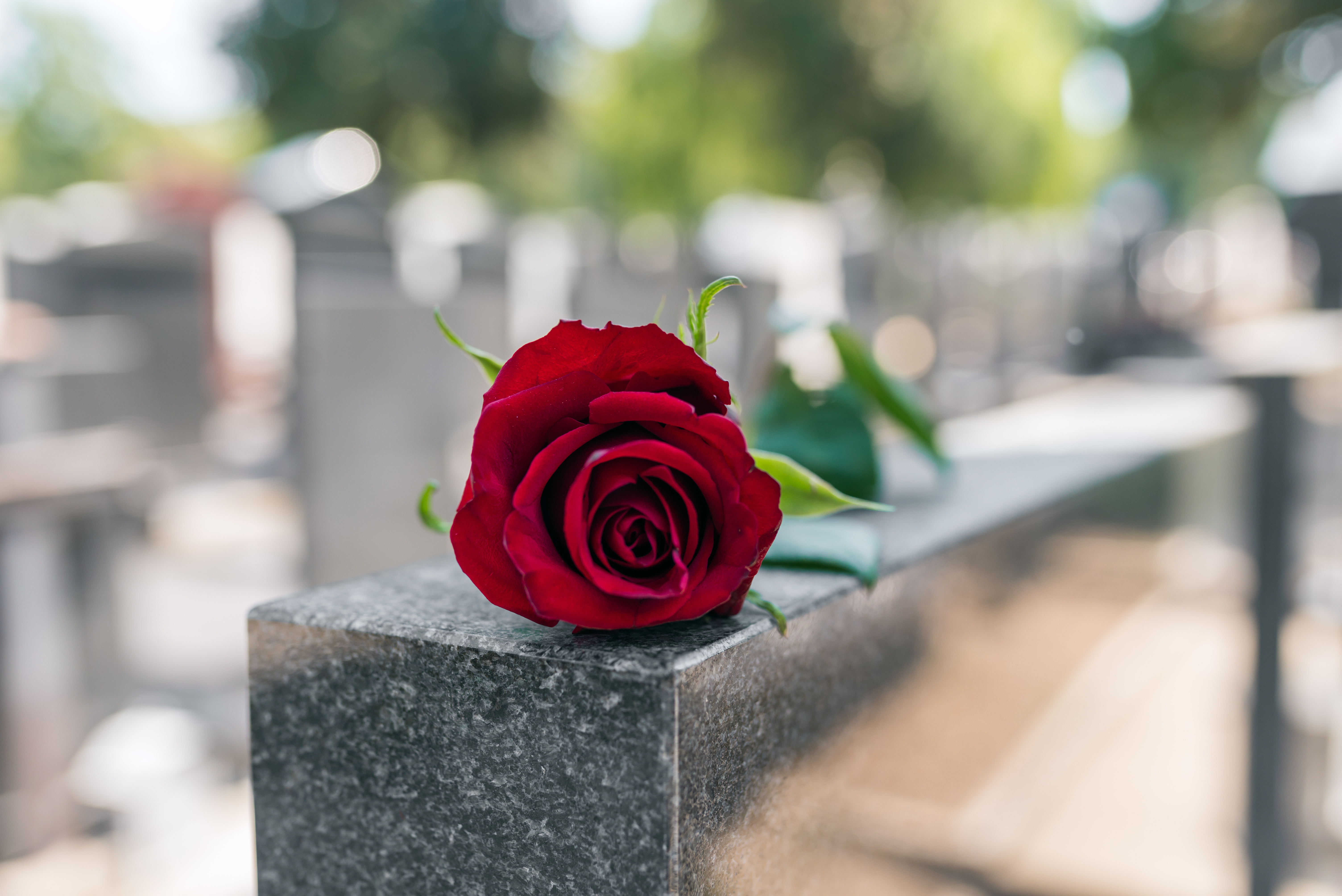
The assumptions that shatter
How grief can change the way you see the world, including ideas about safety, fairness, meaning, and self-worth. It helps you understand why things might feel uncertain or confusing, and how your beliefs can slowly rebuild over time.
Most of us move through life without stopping to question it too much. Underneath everything we do , making plans, trusting people, imagining a future , there are quiet beliefs we've never really examined. We don't think about them. We just live inside them.
When someone you love dies , especially suddenly, especially before their time , these beliefs can crack open. Not because they were wrong. But because grief forces you to question things you never had to question before.
"I have some control over what happens to me"
Most young people carry a quiet sense that if they work hard enough, are careful enough, good enough , things will mostly be okay. Even if you know life is unfair, there's usually a background feeling that the really terrible things happen to other people, not to you.
Grief breaks that. Suddenly the world can feel random and unsafe. You might find yourself waiting for more bad things to happen, even during ordinary moments. You might stop making plans, or feel frightened in ways you can't quite explain, even when nothing specific is wrong. That feeling , that the ground has shifted under you , is one of the most disorienting parts of loss.
"Things happen for a reason. Life makes sense."
Most of us tend to believe that the world is meaningful. That actions have consequences, that cause follows effect, that there is some kind of order to things , even if life is sometimes unfair.
When someone dies in a way that feels random, wrong, or too soon, that belief can collapse. You might find yourself thinking: "What's the point in planning?" "Why care about anything if it can just disappear?" "How can life make sense after this?" These aren't dramatic thoughts. They're the natural result of something that made no sense happening to someone you loved.
"I am worthy of love. I matter. I am enough."
This is one of the quietest beliefs we carry , and one of the deepest. Most of the time we don't even know it's there. It's just the ground beneath everything: the sense that we deserve to be here, that we are loveable, that we are enough.
When someone dies , especially someone who hurt you, abandoned you, or left complicated feelings behind , this belief can take a devastating hit. You might find yourself wondering: "Why wasn't I enough for them to stay?" "Did they really love me?" "Was I worth protecting?" These are painful questions. And they don't disappear after someone dies. Sometimes grief freezes them in place. Those wounds are real. And they deserve care, compassion, and time
None of these questions mean you're broken. They mean your understanding of the world has been shaken by something enormous.
Grief often begins with the feeling that everything you believed about life has collapsed. But over time, many people slowly begin building something new. Not the exact worldview they had before , grief changes people too deeply for that , but a version of life that can hold both love and loss at the same time.
That rebuilding happens slowly. Through small moments. Through safe people. Through honesty. Through surviving days you thought you couldn't survive. Through discovering that even after terrible things happen, connection, meaning, warmth, laughter, and love can still exist alongside grief. Not instead of it. Alongside it.